


Breastfeeding can be one of the most rewarding parts of any motherhood journey. However, it can also come with questions and a lot of trial and error. And if you are considering pumping breast milk, especially if you are a working or busy mom, you're not alone. Breast pumping for new moms becomes essential at times to build a milk stash to feed the baby as required. This also helps in increasing supply and share feeding responsibilities with a partner.
Whether you’re daily pumping milk, occasionally or preparing for flexibility, this beginner’s guide to breast pumping covers everything you need to know about breast milk pumping. From choosing the right pump for storing milk safely to building a routine that works for you and your baby best, follow the guide to learn how to start pumping breast milk.
What Is Breast Milk Pumping?
Breast milk pumping is the process of using your hands or a breast pump to extract milk from your breasts. The milk can then be stored and fed to your baby later using a bottle or spoon. With the right breast milk pumping guide for a mother, it allows to provide breast milk even when direct breastfeeding isn’t possible. It offers flexibility, convenience and can be an essential part of your feeding journey. Every feeding journey is different. Some common reasons moms choose to pump include:
-
Returning to work
-
Increasing or maintaining milk supply
-
Relieving engorgement or discomfort
-
Helping a baby with latching difficulties
-
Allowing a partner or caregiver to help feed
What is the Best Way to Start Pumping Breast Milk

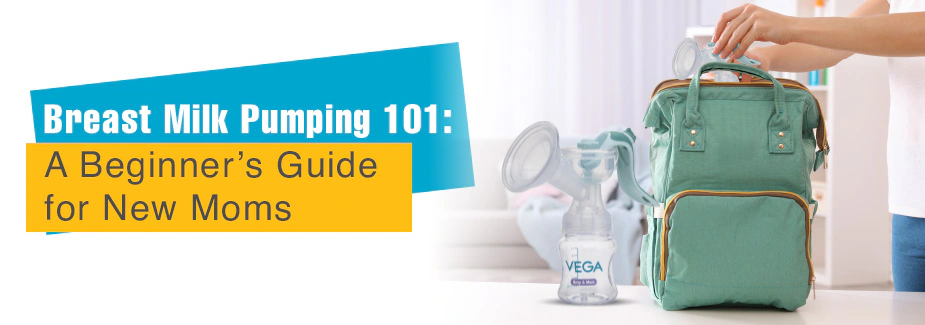
Choosing the right breast pump depends on your lifestyle and pumping goals. One of the best types and breast pump guide for moms is the use of the Vega Baby & Mom Natural Expression 7 level suction Manual Breast Pump - Advanced for complete ease and comfort of milk pumping. It is designed for all mothers for milk pumping using its 2 modes of expression for stimulation and deep expression of milk. This advanced manual breast pump comes with two pump pressure adjustment technologies that enable breastfeeding moms to adjust the various suction levels for easy and comfortable milk expression. Here are some key features of the manual breast pump:
-
Super soft silicon pad that fits right on the nipple to create the right amount of vacuum for better stimulation and milk flow.
-
Adjustable suction power for easy adjustment - from mild to strong as per individual needs.
-
Mimics natural suction motion of a baby to promote better milk output among breastfeeding mothers.
-
Two modes of expressions for stimulation and deep expression of breast milk.
-
Ergonomic handle for easy pumping of milk with less pressure on the wrist in the process.
-
Easy assembly and Cleaning of the breast pump for hassle-free use.
-
Compact and lightweight manual pump for the ease to carry when travelling.
Benefits of Using a Manual Breast Pump
-
Manual breast pumps provide added flexibility for busy mothers.
-
Their portable design makes them easy to fit into a baby diaper bag.
-
It helps strengthen bonding between the father and baby, as fathers can also feed the baby nutritious breastmilk while the mother gets adequate rest or are not around due to work. Always store breastmilk safely in the freezer for up to 48 hours at 4°C or below, ensuring it is kept only in a sterilized bottle with a tightly closed cap or in a breast milk storage bag.
-
They are easy to clean, sterilize, and assemble helping maintain proper hygiene. Use the Vega Baby & Mom 4 in 1 Electric Steam Sterilizer with Dryer that performs 4 functions in 1 - sterilizing, drying, steaming food and storing dried-up bottles and other feeding accessories. It takes a total of 40-50 minutes for complete sterilization and drying based on the quantity of water and the number of items placed in the baskets.
How to Pump Breast Milk: Step-by-Step Newborn Feeding Guide

Pumping gets easier with practice. Here’s a simple step-by-step routine using the Vega Baby & Mom Manual Breast Pump Basic device:
Step 1: Always wash your hands thoroughly before pumping or handling milk.
Step 2: Make sure all pump parts are clean, dry and assembled correctly.
Step 3: Sit in a comfortable chair, relax your shoulders and have water nearby. Stress can affect letdown and hence, it is crucial to create a calm environment.
Step 4: Centre your nipple in the flange tunnel. A proper fit is essential for comfort and effective milk removal.
Step 5: Use the ergonomically designed anti-slip handle to gently pump milk. This one-hand pumping system makes it easy for you to keep one of your hands free to attend to your baby.
Step 6: Pump until milk flow slows or breasts feel softer.
Step 7: Transfer milk into baby feeding bottles and label with the date and time.
Step 8: Clean and sanitize all pump parts that came into contact with milk according to manufacturer instructions before storing.
Final Thoughts
Breast milk pumping is a skill that takes time, patience and practice. There’s no one-size-fits-all approach and your pumping journey may look different from someone else’s. Some moms pump occasionally while some pump every day. The goal is not perfection but finding a feeding rhythm that supports both your baby and your well-being. With the right baby accessories and techniques, pumping milk can become a manageable and empowering part of motherhood.
FAQs
What is the best time to start pumping breast milk?
If breastfeeding is going smoothly, many moms start pumping around 3–4 weeks postpartum. Earlier pumping may be recommended if your baby has latching difficulties.
How long should each breast pumping session last?
Most pumping sessions last about 15–20 minutes or until milk flow slows and the breasts feel softer.
Can I breastfeed and pump at the same time?
Yes, many moms combine breastfeeding and pumping to build a milk stash, maintain supply or allow others to help with feeding.
How can I increase my breast milk supply while pumping?
Pump consistently, stay hydrated, ensure proper flange fit and try adding extra sessions or pumping after nursing to stimulate more milk production.
How can I increase my breast milk supply while pumping?
Frequent milk removal is key to boosting supply. Hands-on pumping, breast massage and maintaining a regular pumping schedule can also help improve output.
What is the best breast pump for beginners?
The Vega Baby & Mom Manual Breast Pump Advanced or Basic are the best choices for beginners because they are efficient, easy to use and saves time.
